Have you ever wondered how temperature influences steel color? Understanding steel color is crucial in various industries, from manufacturing to design.
In this article, we’ll explore how temperature affects steel color and why it matters. You’ll learn about the color changes at different temperatures and their implications for applications.
What is Steel Color?
Steel color refers to the visual appearance of steel, which can vary significantly based on several factors. It is not just a simple shade; it encompasses a range of hues influenced by the material's composition and treatment. Understanding steel color helps in various applications, from construction to art.
Definition of Steel Color
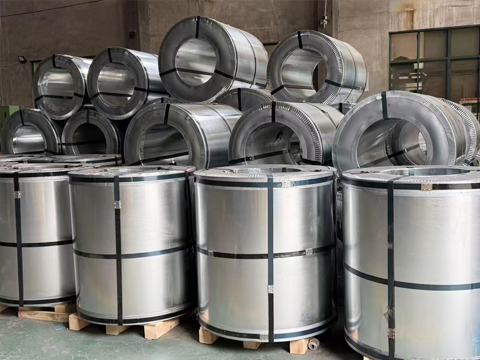
Steel color is essentially the visible hue of steel, which can range from silver-gray to deep purple or even black, depending on its temperature and oxidation state. This color is crucial for identifying the type of steel and its suitability for specific applications. For example, high-performance silicon steels, like those produced by SHERAXIN, exhibit distinct colors that indicate their properties and intended uses.
How is Steel Color Determined?
The determination of steel color involves several processes, primarily influenced by the following factors:
● Temperature: As steel heats up, color changes due to oxidation. For instance, at room temperature, steel typically appears silver-gray. However, as it heats, it can shift to yellow, orange, or even red, indicating different stages of oxidation.
● Surface Treatment: Treatments like coating or polishing can alter the color of steel. For example, SHERAXIN’s CRGO silicon steel features a high-quality insulation coating that enhances its appearance while providing protection against oxidation.
● Alloy Composition: The elements present in steel, such as silicon, manganese, and chromium, play a significant role in its final color. Different combinations can lead to unique hues and characteristics.
Factors Influencing Steel Color
Several key factors influence the color of steel:
Factor | Description |
Alloy Composition | Elements like silicon and manganese affect oxidation and color stability. |
Temperature | Higher temperatures lead to more significant color changes due to oxidation. |
Surface Treatment | Coatings can enhance appearance and provide protection against corrosion. |
These factors work together to create the unique colors seen in different steel types. For instance, SHERAXIN’s CRNGO silicon steel is designed to maintain its color stability, even under high temperatures, making it ideal for critical applications in motors and generators.
By understanding these aspects of steel color, we can better appreciate how it impacts performance and application in various industries.
The Science Behind Steel Color Changes
Understanding the science behind steel color changes is essential for anyone working with this versatile material. The primary factors influencing these changes are temperature and oxidation. Let’s dive into how these elements interact to create the vibrant colors we see in steel.
The Role of Temperature in Steel Color
Temperature plays a critical role in determining the color of steel. As steel heats up, it undergoes various oxidation reactions. When exposed to air, the iron in steel reacts with oxygen, leading to the formation of iron oxides. This process not only alters the color but also affects the material's properties.
● Temperature Effects: At room temperature, steel appears silver-gray. As the temperature rises, it transitions through various colors:
○ 200°C: A yellowish tint begins to form.
○ 400°C: The color shifts to purple, indicating further oxidation.
○ 600°C: Steel may appear deep blue or brown due to significant oxide formation.
This relationship between temperature and color change is crucial for applications where steel is subjected to heat, such as in transformers and generators.
Oxidation and Its Impact on Steel Color
Oxidation is the process where steel reacts with oxygen, leading to the formation of oxide layers. These layers can significantly influence the visual appearance of steel. The extent and type of oxidation depend on several factors, including the alloy composition.
Overview of Oxidation in Steel
When steel is exposed to high temperatures, oxidation occurs more rapidly. The presence of elements like silicon and manganese can affect how oxidation develops. Here’s how different elements influence the oxidation process:
Element | Effect on Oxidation |
Silicon (Si) | Increases resistance to oxidation, helping maintain color stability. |
Manganese (Mn) | Promotes the formation of protective oxide layers, enhancing durability. |
Chromium (Cr) | Forms a passivation layer that protects the steel from further oxidation. |
These elements contribute to the formation of oxide layers, which can either enhance or dull the steel's color. For example, SHERAXIN’s CRGO silicon steel showcases how a high silicon content can lead to a stable and appealing color, even under extreme conditions.
Visual Effects of Oxide Layers
The formation of oxide layers not only changes the color but also affects the surface texture. These layers can create a range of visual effects, from shiny to matte finishes. Here are some key points regarding oxide layers:
● Thin Oxide Layers: Often result in a bright or shiny appearance, enhancing aesthetic appeal.
● Thicker Oxide Layers: Can lead to duller colors, such as dark brown or black, which may indicate deeper oxidation.
● Uniformity: A uniform oxide layer is essential for maintaining consistent color across the steel surface.
By understanding these processes, we can better appreciate the interplay between temperature, oxidation, and steel color. This knowledge is vital for industries relying on the performance and appearance of steel products.
Steel Color Changes at Various Temperature Ranges
Steel color changes dramatically as temperature varies, making it essential to understand these transformations. Each temperature range brings unique colors and characteristics, influenced by oxidation and the material's composition. Let’s explore how steel color evolves from room temperature to extreme heat.
Room Temperature (25°C)
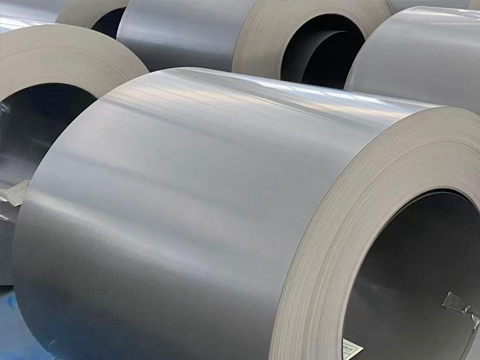
At room temperature, steel typically exhibits a silver-gray metallic luster. This initial color is a result of the steel's composition and surface finish. For instance, SHERAXIN’s CRGO silicon steel showcases a bright, reflective surface, making it ideal for electrical applications. The high-quality finish not only enhances its appearance but also contributes to its performance in various settings.
Low Temperatures (200°C - 500°C)
As temperatures rise from 200°C to 500°C, the color of steel begins to change noticeably. Here’s how it evolves:
● 200°C: At this temperature, steel starts to develop a faint yellow tint due to mild oxidation.
● 300°C: The yellow hue intensifies slightly, creating a more pronounced appearance.
● 400°C: Steel transitions to a purple shade, influenced by the oxidation of elements like iron and manganese.
An example of this is SHERAXIN’s CRGO, which maintains a consistent appearance under normal storage conditions, showcasing its stability even as temperatures fluctuate.
Moderate Temperatures (500°C - 900°C)
In this range, the color transitions become more striking:
● 500°C: The steel takes on a deep purple appearance, primarily due to the formation of iron oxides (Fe₂O₃) and manganese oxides (MnFe₂O₄).
● 600°C: A shift to deep blue occurs, while SHERAXIN’s CRGO remains stable, preserving its magnetic properties.
● 700°C: The color lightens to a light blue, indicating changes in thermal radiation.
● 800°C: At this point, steel exhibits a bright red coloration, highlighting significant oxidation.
The high silicon content in SHERAXIN’s products helps inhibit rapid color darkening, ensuring reliability in high-temperature applications.
High Temperatures (900°C and Above)
Extreme temperatures lead to dramatic color changes:
● 900°C: Steel appears orange-red as austenite forms, indicating the beginning of structural changes.
● 1000°C: The color shifts to yellow, signaling high-temperature decarburization, which can affect the material's properties.
● 1200°C: At this temperature, steel may turn white, suggesting it approaches a semi-liquid state.
These color changes have significant implications for applications, especially in sectors like renewable energy, where SHERAXIN’s products are utilized. Understanding these transformations helps engineers and manufacturers make informed decisions about material selection and performance expectations.
Temperature Range | Color Change | Notes |
Room Temperature | Silver-gray | Initial appearance, stable for storage. |
200°C | Yellow tint | Mild oxidation begins. |
400°C | Purple | Indicates oxidation of iron and manganese. |
500°C | Deep purple | Formation of Fe₂O₃ and MnFe₂O₄. |
800°C | Bright red | Significant oxidation occurs. |
1000°C | Yellow | High-temperature decarburization begins. |
1200°C | White | Approaching semi-liquid state. |
This table summarizes the key color changes across different temperature ranges, illustrating the relationship between temperature and steel color.
Practical Applications of Steel Color Knowledge
Understanding steel color is not just an academic exercise; it has real-world implications across various industries. From manufacturing to blacksmithing, the knowledge of how steel color changes can significantly impact quality control, material selection, and product performance. Let’s explore these practical applications in detail.
Importance in Manufacturing and Engineering
In manufacturing and engineering, recognizing steel color changes plays a vital role in ensuring product quality and performance. When steel is processed, its color can indicate specific characteristics that affect its usability. For instance, during the heat treatment process, manufacturers monitor color changes to achieve desired mechanical properties.
● Quality Control: By observing steel color, manufacturers can identify potential issues early in the production process. A change in color may signal an oxidation problem or improper alloy composition, allowing for timely corrections.
● Material Selection: Engineers often choose materials based on their color properties. SHERAXIN’s CRGO and CRNGO silicon steel products, for example, maintain consistent color stability, making them ideal for high-performance applications like transformers and motors.
Application | Description |
Quality Control | Color changes indicate potential defects in steel. |
Material Selection | Engineers choose materials based on color stability. |
Performance Monitoring | Color can signal changes in material properties. |
This table highlights how understanding steel color can enhance manufacturing processes and ensure high-quality outcomes.
Role in Blacksmithing and Metalworking
In the world of blacksmithing and metalworking, steel color is an essential indicator of temperature and material readiness. Blacksmiths use color as a guide for tempering and forging, ensuring that steel is at the right temperature for shaping without compromising its integrity.
● Tempering and Forging: As steel heats up, it changes color, which blacksmiths rely on to determine when to start forging. For example, a bright orange color indicates optimal forging temperature, while a yellow hue suggests the steel is too hot.
● Importance of Color Stability: In tools and equipment production, the stability of steel color is crucial. SHERAXIN’s products are designed to maintain their color consistency, which helps blacksmiths achieve precise results during the forging process.
Examples of Color Indicators in Blacksmithing
Color | Temperature Range | Action |
Red | 700°C - 800°C | Ideal for shaping and forging. |
Orange | 800°C - 900°C | Optimal for high-temperature work. |
Yellow | 900°C - 1000°C | Indicates overheating; avoid forging. |
This table illustrates how blacksmiths interpret color changes to make informed decisions during the forging process. The ability to read steel color accurately can mean the difference between a successful project and a failed one.
In summary, the practical applications of understanding steel color are vast and impactful, influencing manufacturing quality, engineering choices, and blacksmithing techniques.
Conclusion
Understanding steel color under different temperatures is crucial for various applications. It affects manufacturing quality, material selection, and blacksmithing techniques.
Readers should consider temperature effects in their projects. SHERAXIN’s commitment to quality and innovation in silicon steel manufacturing ensures reliable performance. By recognizing these factors, you can enhance your work and achieve better results.
FAQ
Q: What is the significance of color changes in steel?
A: Color changes in steel indicate temperature and oxidation levels, affecting quality and usability.
Q: How can I determine the temperature of steel based on its color?
A: Steel color corresponds to specific temperatures, such as red for forging (700°C - 800°C) and yellow for overheating (900°C - 1000°C).
Q: Are there different color standards for various steel types?
A: Yes, different steel types exhibit unique color changes based on their alloy compositions and treatments.
Q: How does the composition of steel affect its color at high temperatures?
A: Alloy elements like silicon and manganese influence oxidation rates, altering color stability at high temperatures.
Q: Can steel color changes impact its performance in applications?
A: Yes, color changes can indicate potential defects, affecting performance and suitability in specific applications.


