Sourcing electrical steel from China starts with a clear material specification. A competitive price is useful only when the quoted grade, magnetic properties, delivery condition and processing requirements match your application.
For transformer and motor manufacturers, purchasing errors often begin with incomplete comparisons: two quotations may use similar grade names while offering different coatings, test conditions, coil dimensions or acceptance documents.
This guide explains what to confirm before ordering, how to assess MOQ and lead time, and which testing and packaging details belong in your purchase specification.
Table of Contents
Toggle
1. Define the Electrical Steel Grade and Delivery Condition
Choose CRGO or CRNGO for the Application
Cold-rolled grain-oriented electrical steel, or CRGO, is commonly used in transformer cores where the magnetic circuit is designed to make use of its preferred rolling direction. Material orientation must therefore be considered during cutting and core assembly.
Cold-rolled non-grain-oriented electrical steel, or CRNGO, is widely used in motor and generator laminations where magnetic flux travels through different directions. Its suitability still depends on the required magnetic and mechanical properties.
Start by reviewing the supplier’s CRGO electrical steel and CRNGO electrical steel information. Then confirm the exact product specification rather than ordering by application name alone.
Compare Guaranteed Properties, Not Grade Names Alone
A proposed equivalent grade should be supported by a property comparison. Similar designations across mills or standards do not automatically establish full equivalence.
Check nominal thickness, maximum specific total loss, magnetic polarization, coating designation, delivery condition and the governing material standard. Distinguish guaranteed limits from typical values: a typical result is not an acceptance limit unless both parties explicitly agree otherwise.
Magnetic test conditions also need to match. A loss figure at 1.5 T and 50 Hz cannot be directly compared with one at 1.7 T and 50 Hz as evidence that one material is better.
Specify the Form You Will Actually Process
State whether you need mother coils, slit coils or another agreed delivery form. Include strip width and tolerance, coil inside diameter, maximum outside diameter, acceptable coil weight, edge requirements and permitted joints where relevant.
Also confirm whether the material is fully processed or semi-processed, and whether your manufacturing route includes annealing. Any proposed heat treatment must be compatible with the grade and coating.
2. Confirm MOQ and Compare the Full Quotation
Ask What the MOQ Applies To
There is no single MOQ that applies to all electrical steel orders. The practical minimum can depend on stock availability, mill production requirements, grade, thickness, coating and the requested slit widths.
A supplier may quote a minimum per order, per grade, per thickness or per processing setup. Ask which basis applies. For slit coils, clarify how the order will be allocated from the mother coil and how any remaining material affects the quotation.
Do not confuse a published coil weight or packaging weight range with the minimum order quantity.
Separate Samples, Trials and Repeat Orders
A small test sample, a trial coil and a repeat production order serve different purposes. Ask separately about sample availability, sample dimensions, charges and whether the sample represents the proposed production supply.
If a trial order is possible, agree on its acceptance criteria before shipment. Approval of an untraceable sample provides limited assurance about later deliveries.
Make Quotations Comparable
Request the following information on a consistent basis:
Material producer, grade, standard and delivery condition.
Thickness, coating, strip dimensions and agreed tolerances.
Order quantity and permitted quantity variation.
Whether slitting, testing, packaging and documentation are included.
Price basis, currency, quotation validity and payment terms.
Trade term, named delivery location and transport arrangements.
Estimated dispatch date and the conditions required to confirm it.
For international quotations, state the selected rule, named place or port and edition, such as Incoterms® 2020. Refer to the ICC’s official Incoterms rules information when checking the allocation of transport costs and delivery responsibilities.
3. Agree on Testing, Documents and Traceability
Define the Magnetic Test Method
A useful magnetic test report identifies the material, specimen preparation, test method, frequency and magnetic operating point. A loss value without these details is difficult to assess.
IEC 60404-2 describes measurement of electrical steel magnetic properties using an Epstein frame. Confirm the agreed method and applicable edition in the order specification rather than accepting a general statement that material is “IEC tested.”
If the application requires other frequencies or operating points, request the relevant data explicitly. Also distinguish measurements on the supplied material from results measured after your own cutting, annealing or core assembly.
Check More Than Magnetic Performance
Incoming inspection should address the characteristics that affect your process. Depending on the order, these may include thickness, width, flatness, camber, surface condition, edge quality, coating condition and coil dimensions.
Where coating performance is important, agree on the required property and test method. A coating name alone does not confirm compatibility with every welding, bonding or annealing process.
Sheraxin’s technology and quality page provides background for a technical discussion. Ask which inspection records and order-specific documents will actually accompany your shipment.
Connect Each Coil to Its Documents
Request identification that links the physical coils to the material certificate, processing records and packing list. Where mother coils are slit, clarify how the original identity will be retained in the finished strip coils.
Agree on the sampling plan, acceptance limits, inspection stage and procedure for reporting nonconforming material. For third-party inspection, define the scope and arrange access before the material is packed.
4. Specify Export Packaging and a Realistic Delivery Schedule
Match Packaging to the Coil and Transport Route
Electrical steel packaging should address moisture exposure, edge damage and movement during handling. Specify coil orientation, support arrangement, protective layers, strapping and any restrictions imposed by your unloading equipment.
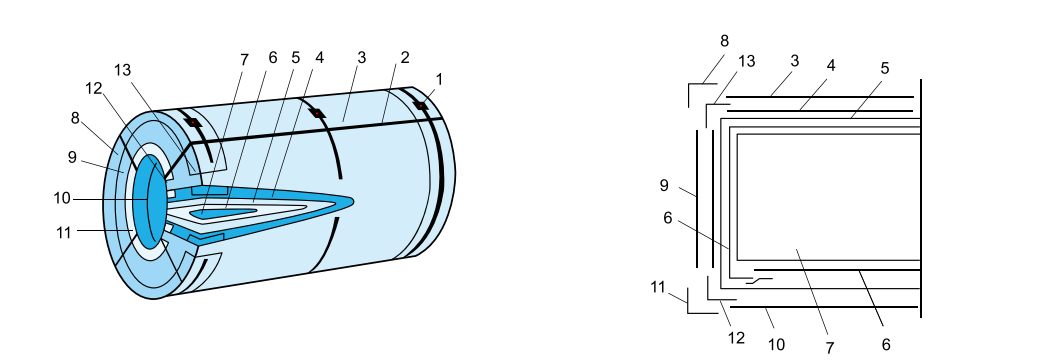
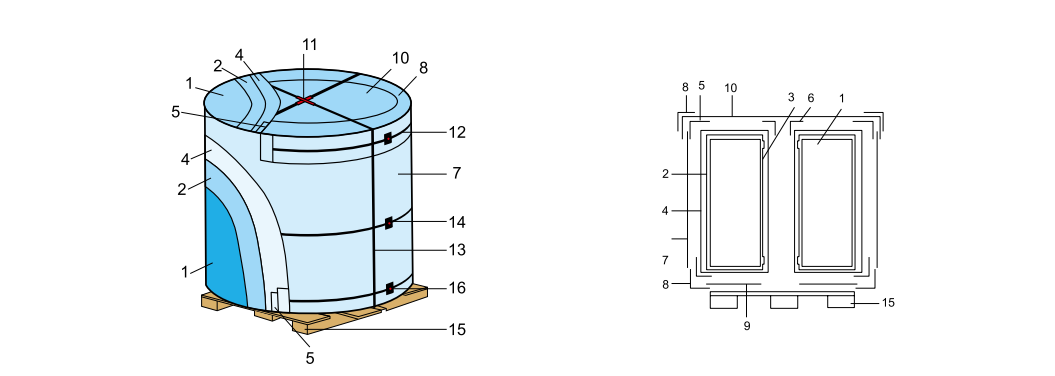
Sheraxin’s published packaging information includes horizontal and vertical mother-coil arrangements. These illustrate different packing configurations; the final package must be agreed for the actual order.
Horizontal mother-coil packaging arrangement published by Sheraxin.
Before approving the packing plan, confirm gross and net weight, package dimensions, lifting access and protection around the coil bore and edges. For wooden supports, ask the supplier or freight forwarder to confirm destination-specific requirements.
Vertical mother-coil packaging arrangement. Confirm support and handling requirements for the shipment.
Separate Material Lead Time from Transit Time
A quoted lead time is incomplete unless its starting point and ending point are defined. Confirm whether the clock starts after payment, technical approval, sample approval or another agreed milestone.
Ask the supplier to separate material availability, processing, inspection, packaging and dispatch. International transit, customs clearance and delivery to your plant should be assessed separately.
Stock material may follow a different schedule from a mill production order. Special dimensions, additional testing, coating requirements and packaging changes can also affect the schedule. Obtain a written order-specific commitment rather than relying on a general website estimate.
Use a Clear RFQ Checklist
RFQ Item
Information to Provide or Confirm
Application and material
End use, CRGO or CRNGO, grade, standard and delivery condition.
Dimensions
Thickness, width, tolerances, coil diameters and coil weight limits.
Performance and testing
Magnetic requirements, test conditions, coating requirements and acceptance documents.
Quantity
Trial quantity, repeat demand, MOQ basis and permitted quantity variation.
Packaging and shipping
Coil orientation, package limits, destination and selected trade term.
Schedule
Required arrival date, dispatch commitment and approval milestones.
5. Frequently Asked Questions
What is the MOQ for electrical steel from China?
MOQ depends on the supplier’s available material and the requested grade, thickness, coating and processing scope. Ask whether the minimum applies per order, grade, mother coil or slit-width arrangement.
Can a Chinese grade replace the grade on my drawing?
Only after a technical comparison and approval. Check the governing standard, guaranteed magnetic properties, dimensions, coating and delivery condition. A cross-reference table alone is insufficient for final qualification.
Which documents should accompany the shipment?
Agree on the material certificate or test report, coil identification, packing list and commercial shipping documents before ordering. Include any additional inspection or origin documents required by your purchasing and import process.
How long does electrical steel delivery take?
There is no universal delivery period. Confirm whether the quotation covers stock allocation or new production, which approvals start the schedule, and whether the stated date means dispatch or arrival.
Should I approve a sample before placing a production order?
A representative sample or trial order can help evaluate processing compatibility. Confirm its traceability and use agreed acceptance criteria. Production shipments still require their own identification and conformity checks.
Request an Electrical Steel Quotation
Preparing to source CRGO or CRNGO electrical steel from China? Send your target grade, thickness, strip dimensions, order quantity and destination to Sheraxin. Request written confirmation of available material, MOQ, supporting test documents, packaging and the proposed dispatch schedule so you can compare the offer against your purchasing specification.