In this guide, we break down everything you need to know about the strength of silicon steel—how tough it is, how it behaves under stress, and why industries rely on it.
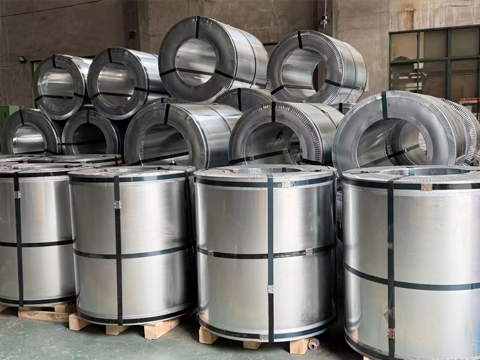
What Is Silicon Steel?
Silicon steel is a special type of steel used in electrical equipment. You may also hear people call it electrical steel. It looks similar to ordinary steel, but it behaves very differently once electricity or magnetism enters the picture. Engineers add silicon into the steel, and this small change gives it stronger magnetic performance.
What Makes Silicon Steel Different?
Silicon steel contains more silicon than regular steel. It usually holds 1%–6% silicon, and this added element changes how the steel handles electricity and magnetism. It also increases electrical resistivity, so it reduces unwanted currents inside the metal.
It becomes the preferred material for transformers, motors, and generators because it handles magnetic energy much better than carbon steel.
Why Silicon Matters in the Alloy
Silicon changes the entire personality of the steel.
Here’s how:
It increases electrical resistivity.
It lowers energy loss during magnetization.
It helps the metal carry magnetic fields easily.
It makes the steel harder and less ductile.
These traits help electrical machines work more efficiently. It keeps heat down and cuts energy waste.
Typical Chemical Composition of Silicon Steel
Below is a helpful table that shows what’s inside silicon steel:
| Element | Typical % Range | Why It Matters |
| Si (Silicon) | 1–6% | Boosts resistivity, improves magnetic behavior |
| C (Carbon) | 0.05–0.15% | Adds basic strength |
| Mn (Manganese) | 0.1–0.5% | Improves toughness |
| P (Phosphorus) | ≤0.03% | Too much harms ductility |
| S (Sulfur) | ≤0.03% | Excess causes brittleness |
| Al (Aluminum) | ≤0.1% | Helps control impurities |
This mix makes silicon steel perfect for magnetic cores.
How Silicon Steel Behaves Magnetically
Silicon steel carries magnetic lines easily.
It reacts quickly when the magnetic field changes.
It loses less energy during each cycle, which helps machines run cooler.
Key Magnetic Features
High magnetic permeability
Low hysteresis loss
Strong sensitivity to magnetic fields
Lower eddy current losses
Because of these features, it becomes the gold standard for transformers and motors.
Forms of Silicon Steel
Manufacturers make two main types:
These two types help industries choose the best steel for their designs.
How Silicon Steel Differs from Ordinary Steel
Silicon steel is not just “regular steel plus silicon.” It behaves differently:
| Feature | Silicon Steel | Ordinary Steel |
| Magnetic Ability | Very high | Low |
| Electrical Resistivity | High | Low |
| Core Loss | Low | High |
| Ductility | Lower | Higher |
| Best Use | Electrical machines | Structures, tools |
Regular steel can’t compete when it comes to magnetic performance.
What Is the Difference Between Silicon Steel and Normal Steel?
Silicon steel and normal steel may look similar at first glance, but they behave very differently once they enter real engineering tasks. The gap comes from their chemistry and the way they respond to electricity, magnetism, and force. When we compare them side-by-side, it becomes clear that each steel type belongs to a completely different world.
Chemical Composition: The Core Difference
The biggest difference starts in the recipe. Silicon steel contains more silicon, which changes how it acts inside electrical machines. Normal steel does not have this special adjustment.
Typical Chemical Comparison
| Element | Silicon Steel | Normal Steel | Effect |
| Silicon | 1–6% | ≤0.5% | Improves resistivity, lowers losses |
| Carbon | Very low | Low–medium | Higher carbon gives more strength |
| Manganese | Low | Medium | Adds toughness |
| Impurities (P, S) | Kept very low | More variation | Controls brittleness |
That extra silicon pushes silicon steel into the “electrical material” category.
Magnetic Properties: The Biggest Gap
Silicon steel handles magnetic energy far better. Normal steel struggles because it loses energy quickly and generates more heat.
How They Compare Magnetically
Silicon steel has very high magnetic permeability.
Normal steel has low magnetic permeability.
Silicon steel loses less energy during magnetization.
Normal steel wastes more power as heat.
It’s why transformers and motors rely on silicon steel instead of regular iron.
Mechanical Strength: Normal Steel Wins Here
Normal steel is stronger mechanically. It bends more easily before breaking and handles load better. Silicon steel becomes stiffer and more brittle as silicon increases.
Strength Comparison Table
| Property | Silicon Steel | Normal Steel |
| Tensile Strength | Moderate | High |
| Ductility | Low | High |
| Brittleness | Higher | Low |
| Best For | Magnetic systems | Structures, machinery |
If you hit both metals, normal steel survives longer.
Electrical Resistivity and Energy Loss
Electrical resistivity describes how well the metal blocks unwanted electric currents. Silicon steel has high resistivity, so it prevents wasteful loops of electricity known as eddy currents. Normal steel can’t do that.
Why This Matters
Silicon steel wastes less power.
It stays cooler during operation.
It improves transformer and motor efficiency.
Normal steel heats up and becomes inefficient rapidly.
This difference is critical in any device that cycles magnetism thousands of times per second.
Processing and Manufacturing Differences
Silicon steel goes through special rolling and heat-treatment processes. These steps align its grains, reduce defects, and cut down magnetic losses.
Normal steel doesn’t need this kind of precision.
Processing Traits
Silicon steel can be grain-oriented for transformers.
It requires thin laminations to control heat.
Normal steel is built for strength, shaping, and welding.
They serve totally different engineering goals.
Applications: Completely Different Roles
Because silicon steel and normal steel behave differently, they end up in different industries.
Where Silicon Steel Is Used
Transformers
Motors
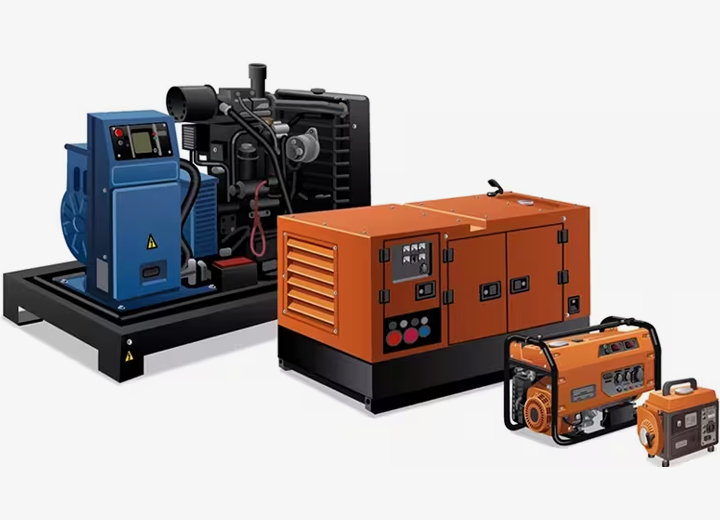
Generators
EV powertrains
Magnetic cores

Where Normal Steel Is Used
Silicon steel fits electrical systems. Normal steel fits structures and machines.
How Manufacturing and Processing Affect Strength
The strength of silicon steel doesn’t come only from its chemistry. It also depends heavily on the way manufacturers roll it, heat it, and finish it. Each step changes how tough it feels, how brittle it becomes, and how well it handles magnetic energy. Once you see how these processes work, it becomes clear why silicon steel performs differently than normal steel.
Cold Rolling and Its Influence
Cold rolling is one of the most important steps. The steel goes through pressure at room temperature, and this shapes its grain structure. The process refines the metal, makes its thickness more precise, and improves uniformity.
What Cold Rolling Does
It boosts mechanical consistency.
It tightens the internal grain arrangement.
It reduces defects that weaken the metal.
The steel ends up smoother and stronger in a predictable way.
Grain Orientation: CRGO vs CRNGO
Grain orientation changes how the steel behaves under magnetic and physical stress.
CRGO (Cold-Rolled Grain-Oriented Steel)
The grains line up in one direction. It gives the steel an easy magnetic path.
This improves efficiency in transformers and reduces excess heating.
CRNGO (Cold-Rolled Non-Grain-Oriented Steel)
The grains spread in different directions. It works well in motors, where rotation needs equal performance all around.
How Orientation Affects Strength
Both types keep moderate mechanical strength, but their grain patterns shape how they handle bending or stamping.
Heat Treatment and Annealing
Heat treatment controls brittleness. Silicon steel becomes stressed during rolling, so annealing helps relieve those stresses.
Effects of Annealing
It relaxes the crystal lattice.
It improves ductility, so it bends more smoothly.
It increases magnetic sensitivity.
Without annealing, the steel can crack easily during manufacturing.
Common Heat Treatment Conditions
| Process | Temperature Range | Purpose |
| Annealing | 600–700°C | Relieves stress, improves ductility |
| Normalizing | 800–900°C | Refines grains |
| Hardening | 900–1000°C | Increases hardness but risks brittleness |
The right temperature keeps the balance between strength and flexibility.
Lamination Thickness and Its Effect on Strength
Silicon steel often comes in thin laminations. These layers reduce eddy currents and help the steel stay cool during operation.
Why Thickness Matters
Thinner laminations lose less energy.
They reduce stress concentration.
They improve flexibility during core assembly.
Typical thickness ranges from 0.23 mm to 0.35 mm.
Thinner sheets are more efficient but harder to produce.
Coatings and Insulation Layers
Insulation coatings protect the steel and improve durability. They also help control magnetic losses.
Common Coating Types
How Coatings Affect Strength
They shield the steel from oxidation.
They prevent layer-to-layer welding or friction.
They keep the core cooler during operation.
Even though coatings don’t directly increase tensile strength, they improve long-term performance.
Processing and Brittleness: The Trade-Off
As silicon content rises, brittleness becomes a challenge.
Manufacturing steps can make this better or worse.
What Increases Brittleness
What Reduces Brittleness
Manufacturers must balance efficiency and durability at every step.
FAQs About Silicon Steel Strength
Is silicon steel brittle?
Yes, especially when silicon content increases.
Is silicon steel magnetic?
Extremely. It’s one of the most magnetic commercial steels.
Can silicon steel be welded?
Yes, but it may lose magnetic performance if overheated.
Is silicon steel stronger than carbon steel?
Mechanically no. Magnetically yes.
Does high heat affect strength?
Yes. Too much heat reduces magnetic performance.
Summary — Is Silicon Steel Strong Overall?
Silicon steel is strong in the ways that matter to electrical machines. It has good stability, solid mechanical performance for its intended use, and excellent magnetic ability. This makes it one of the most important materials in modern power systems.


