Introduction
Ever wondered why transformers last longer and work cooler? Silicon steel forms the core, reducing energy loss, while plastic insulation safeguards components. In this article, you'll learn how these materials enhance performance and safety.
Understanding Silicon Steel and Its Role in Transformers
What Is Silicon Steel?
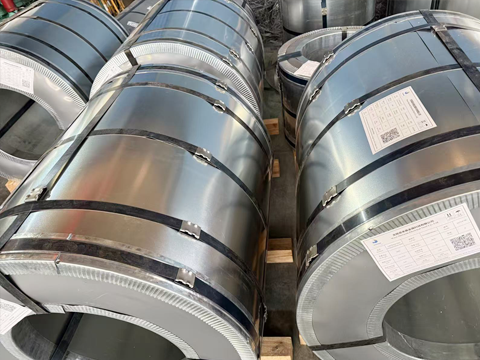
Silicon steel is a special type of electrical steel, made by adding 2–4% silicon to iron. This alloy significantly improves its magnetic properties, making it ideal for transformer cores. We often see it in Cold Rolled Grain Oriented (CRGO) and Non-Grain Oriented (CRNGO) forms, each serving different purposes. CRGO aligns magnetic domains in one direction, enhancing efficiency, while CRNGO provides uniform properties for rotating machinery. It comes in coils, sheets, and laminations, allowing precise core fabrication and better flux guidance.
● Key Variants:
○ Grain-Oriented (GO): Optimized for transformer cores; reduces core loss.
○ Non-Grain-Oriented (NGO): Suited for motors and generators; multi-directional flux support.
● Forms Used: Coils for bulk production, laminated sheets for high-performance cores.
● Electrical Benefits: High resistivity lowers eddy current losses. Laminations interrupt currents, reducing heat.
Type | Typical Application | Magnetic Characteristics | Core Loss Impact |
CRGO | Transformer cores | High permeability along grain | Low core loss |
CRNGO | Motors, generators | Uniform magnetic properties | Moderate core loss |
Hi-B GO | High-voltage transformers | Ultra-low losses, high flux | Minimal core loss |
Sheraxin manufactures these grades to exacting tolerances, supporting global transformer makers. Their CRGO laminations improve efficiency while remaining cost-effective, helping both small and large transformers perform reliably.
Benefits of Silicon Steel in Transformer Performance
Using silicon steel directly influences transformer performance in several ways. Its high magnetic permeability allows magnetic fields to flow efficiently, reducing the energy needed to magnetize and demagnetize cores. This efficiency translates into lower heat generation, meaning transformers stay cooler and last longer.
● Energy Efficiency:
Laminated silicon steel decreases hysteresis and eddy current losses. Lower heat generation reduces oil degradation in oil-immersed transformers.
● Thermal Stability:
Transformers maintain performance under fluctuating loads. The material resists saturation, even during peak currents.
● Quieter Operation:
Reduced magnetostriction from properly oriented grains lowers humming noise, improving working environments.
● Durability and Cost-Effectiveness: Silicon steel resists corrosion, and laminations extend transformer life. The material balances price and performance, making it ideal for most electrical systems.
Bullet Point Example: How Laminations Reduce Losses
● Thin sheets break eddy current paths; they stop large circulating loops.
● Insulation coatings between sheets prevent inter-laminar conduction.
● Grain orientation aligns flux flow, minimizing hysteresis energy losses.
Sheraxin’s expertise ensures laminations are cut, slit, and stacked to precise dimensions. This guarantees transformers built with their silicon steel achieve maximum efficiency and maintain reliable performance over years. By combining carefully engineered silicon steel grades and precise lamination techniques, manufacturers can optimize transformer size, weight, and energy consumption.
The Importance of Plastic Insulation in Electrical Systems
Why Transformers Require Insulation
Transformers rely heavily on insulation to prevent electrical faults. Without it, high-voltage currents could jump between windings, causing short circuits and failures. It ensures safety for operators and nearby equipment, maintaining system integrity even under fluctuating loads. Insulation also keeps magnetic cores isolated, so the silicon steel laminations can perform efficiently without risk of arcing or degradation.
● Key Roles:
○ Prevents current leakage between windings.
○ Maintains safe operation under high voltage.
○ Protects the transformer’s core and surrounding components.
Types of Plastic Materials Used
Plastic insulation comes in various polymer types, each offering distinct properties. Thermosetting plastics like epoxy resins provide excellent thermal resistance, while polyimides offer flexibility and durability. Some plastics have higher dielectric strength, which allows transformers to handle greater voltages without failure. Engineers choose insulation based on temperature, load cycles, and environmental exposure, ensuring both safety and performance.
Material Type | Thermal Rating | Electrical Performance | Typical Use |
Epoxy Resin | 130–180°C | High dielectric strength | Coil impregnation |
Polyimide | 200–250°C | Excellent flexibility | High-temperature windings |
Polyester Film | 105–150°C | Moderate voltage support | General insulation |
Nomex Paper | 180°C | High insulation for oil-immersed units | Oil-filled transformers |
Sheraxin transformers often pair high-quality silicon steel cores with these insulation types to achieve optimal efficiency and reliability, especially in high-demand industrial applications.
Thermal and Mechanical Protection
Insulation isn’t just for electrical safety—it also provides thermal management and mechanical support. By absorbing heat, it reduces stress on windings and prevents premature aging. The material protects against vibration, moisture, and dust, which can cause mechanical wear or electrical breakdown. Flexible plastics allow laminations to expand slightly without cracking, while maintaining consistent protection under continuous operation.
● Thermal and Mechanical Benefits:
○ Reduces coil overheating and hot spots.
○ Prevents insulation degradation from moisture and contaminants.
○ Improves stability during transportation and installation.
Enhancing Overall System Reliability
The combination of silicon steel cores and plastic insulation ensures transformers operate reliably over decades. Proper insulation prevents electrical breakdowns, limits downtime, and maintains efficiency during load variations. It also enhances long-term durability, making transformers safer and more cost-effective to maintain. By selecting appropriate materials, manufacturers can maximize both core performance and system protection, providing stable, high-quality energy delivery.
Bullet Points: Reliability Advantages
● Protects against high-voltage spikes and short circuits.
● Extends service life of the transformer core and windings.
● Works synergistically with silicon steel laminations for energy efficiency.
Design Considerations When Combining Silicon Steel and Plastic
Optimizing Transformer Core and Insulation Interaction
Transformer design requires careful coordination of silicon steel laminations and high-performance plastic insulation to achieve maximum efficiency, safety, and long-term durability. Lamination thickness is crucial because it influences eddy current formation; thinner laminations reduce energy loss but overly thin sheets can compromise structural stability and alignment of the core.
Thermosetting plastics like epoxy resist high temperatures and maintain dielectric strength, while flexible polymers absorb mechanical vibrations, protecting cores and windings during operation and transportation. Engineers conduct prototype testing to balance efficiency, thermal management, and mechanical resilience. Proper lamination stacking and insulation placement help maintain magnetic flux efficiency, reduce heating, and prevent insulation degradation over time.
● Key Points for Optimization:
Typically 0.23–0.35 mm for GO silicon steel to reduce eddy currents while maintaining structural integrity.
● Plastic dielectric strength:
Must withstand peak voltage conditions without breaking down and ensure consistent insulation performance under stress.
● Mechanical compatibility:
Prevents lamination warping and insulation cracking during assembly, transportation, or vibration events.
● Thermal expansion alignment:
Maintains consistent contact between steel and insulation across temperature changes, avoiding gaps and stress.
● Stacking precision:
Accurate placement ensures proper flux alignment, lowers hysteresis, and maximizes energy efficiency.
Energy Efficiency vs Material Costs
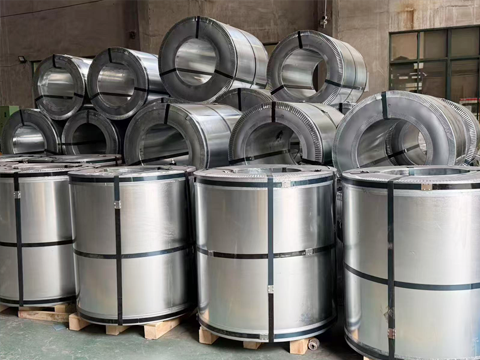
Material selection involves balancing magnetic performance and cost considerations. Hi-B GO silicon steel reduces core losses and provides high magnetic permeability, enabling transformers to operate cooler and more efficiently.
Premium insulation materials extend service life, maintain thermal stability, and enhance dielectric performance, but also increase upfront costs. Evaluating lifecycle costs allows manufacturers to select combinations that reduce energy loss, maintenance frequency, and long-term operational expenses.
Proper pairing of steel and insulation can also enable smaller, lighter transformers, reducing installation, transportation, and support structure costs while maintaining performance. Choosing the right combination enhances operational stability, lowers heat stress, reduces noise, and extends service life.
Table 1: Material Choices vs Transformer Efficiency and Cost
Material Type | Efficiency Impact | Cost Consideration | Typical Use Case |
Hi-B GO Silicon Steel | Ultra-high | Higher initial cost | Large power transformers that demand high efficiency and low loss |
Standard GO Silicon | High | Moderate | Medium-sized transformers where efficiency and cost are balanced |
Epoxy Insulation | High thermal & dielectric protection | Moderate | Oil-immersed transformers requiring stable insulation under heat |
Polyimide Insulation | High | Higher | High-temperature, dry-type windings needing flexibility and durability |
● Bullet Insights:
○ Optimized steel and insulation combinations drastically reduce no-load and core losses, enhancing overall transformer efficiency.
○ Selecting proper materials lowers transformer weight and allows for more compact designs while keeping performance and reliability high.
○ Lifecycle cost analysis demonstrates that investing in higher-quality materials pays off over decades through energy savings and reduced maintenance.
○ Strategic material selection improves operational safety, thermal stability, and quiet operation, making the transformer more reliable under all load conditions.
Environmental and Safety Compliance
Transformers must adhere to global standards, including IEC 60404, IEEE, and ISO 9001, ensuring silicon steel laminations maintain magnetic performance and insulation provides consistent dielectric protection.
Using recyclable silicon steel and environmentally friendly plastics reduces ecological impact and promotes sustainability. Sheraxin implements certified manufacturing processes that meet both performance and environmental standards. Proper insulation design prevents dielectric breakdown under high-voltage fluctuations or varying loads, protecting the transformer over its entire service life.
Engineers consider thermal ratings, humidity resistance, vibration, and mechanical stress to ensure consistent efficiency. Laminations with advanced coatings improve corrosion resistance and ensure insulation adherence, maintaining core integrity and reducing maintenance frequency. Sustainable sourcing and compliance with environmental guidelines promote a circular economy, demonstrating that high-performance transformers can be efficient, safe, and environmentally responsible.
● Compliance Considerations:
○ Laminations coated for insulation and corrosion resistance to ensure long-term durability and electrical stability.
○ Plastics rated for operational temperature, voltage, and humidity, maintaining performance in harsh environments.
○ Certified processes guarantee safety, efficiency, and environmental compliance across global markets.
○ Sustainable sourcing reduces carbon footprint and supports eco-friendly manufacturing practices.
○ Material combinations maintain efficiency while meeting rigorous international standards and operational requirements.
Common Challenges and Solutions in Transformer Material Selection
Addressing Eddy Current and Hysteresis Losses
Transformer cores often overheat if silicon steel is improperly chosen. Eddy currents form in thick or low-resistivity laminations, wasting energy as heat. Hysteresis losses occur when magnetic domains resist flux changes. Using thin, high-resistivity silicon steel sheets and precise lamination stacking breaks current paths, reduces heat, and improves efficiency.
● Key Solutions:
○ Lamination thickness: typically 0.23–0.35 mm.
○ High electrical resistivity to limit circulating currents.
○ Proper grain orientation aligns magnetic domains for minimal hysteresis.
Managing Thermal Stress and Noise
Excessive heat and vibration cause transformers to hum loudly and wear faster. Silicon steel cores paired with quality plastic insulation absorb mechanical stress, reducing noise. Insulation also shields windings from hotspots, ensuring stable performance under varying loads. Designers use layered laminations and carefully selected plastics to balance thermal and acoustic management.
Table 1: Strategies for Heat and Noise Reduction
Strategy | Benefit | Material Focus |
Thin laminated silicon steel | Reduces eddy currents | Silicon steel laminations |
High-permeability steel | Lowers magnetostriction | GO silicon steel |
Insulation coatings | Dampens vibration, protects coils | Epoxy, Polyimide |
Longevity and Maintenance Considerations
The quality of silicon steel determines transformer lifespan. High-purity, defect-free laminations maintain magnetic properties longer. Plastic insulation minimizes moisture penetration and dielectric breakdown, reducing repair frequency. Together, they ensure consistent performance and lower total lifecycle costs for industrial transformers.
● Longevity Benefits:
○ Cooler operation extends core and winding life.
○ Reduced thermal stress prevents insulation cracking.
○ Maintenance intervals lengthened, saving energy and costs.
Advances in Material Technology
Modern transformers benefit from laser-scored grain-oriented silicon steel, enhancing flux alignment and reducing losses. Advanced polymer coatings improve insulation performance, even under high temperature or mechanical stress. These innovations allow manufacturers like Sheraxin to deliver transformers with superior efficiency, reliability, and quiet operation.
● Innovations:
○ Laser scoring optimizes grain orientation for GO steel.
○ Ultra-thin laminations reduce hysteresis and eddy currents.
○ Polymer coatings provide enhanced thermal and dielectric protection.
Conclusion
Sheraxin’s silicon steel ensures transformer efficiency, low core loss, and long-term durability, while plastic insulation protects electrical components, reduces heat, and improves safety, offering reliable performance for industrial applications.
FAQ
Q: What is silicon steel used for in transformers?
A: Silicon steel forms the core, improving magnetic flux conduction and reducing energy loss.
Q: How does plastic insulation protect transformers?
A: It prevents short circuits, absorbs heat, and shields components from moisture and vibration.
Q: Why combine silicon steel and plastic insulation?
A: The combination maximizes efficiency, safety, and transformer lifespan under varying loads.
Q: What types of silicon steel exist?
A: Grain-oriented (GO) for cores, non-grain-oriented (NGO) for motors and rotating machines.
Q: How do materials affect transformer costs?
A: Proper selection of silicon steel and insulation reduces maintenance, energy loss, and lifecycle expenses.


