Introduction
Ever wondered how power systems stay efficient? Silicon steel conducts magnetic flux, while rubber blocks electricity. In this article, we explore their differences, uses, and performance. You will learn how each material impacts safety, efficiency, and reliability.
Understanding Silicon Steel in Power Systems
What is Silicon Steel and Its Composition?
Silicon steel is a specialized material engineered for magnetic applications. It plays a crucial role in transformers, generators, and motors. The addition of silicon—typically 3–3.6% by weight—boosts electrical resistivity. This reduces eddy currents that waste energy in AC magnetic systems. They also help maintain efficiency over long-term operation. Its molecular structure allows magnetic flux to flow efficiently, making it a core material in energy-critical devices.
At Sheraxin, their CRGO silicon steel is precision-engineered to meet industrial standards, offering both coils and strips for high-performance applications. They even provide cutting, slitting, and lamination-ready formats, ensuring customization for different power equipment designs.
Key points about composition:
● Silicon content enhances resistivity and reduces losses.
● Low carbon levels improve magnetic permeability.
● Optional coatings prevent interlamination eddy currents and improve long-term efficiency.
Types of Silicon Steel
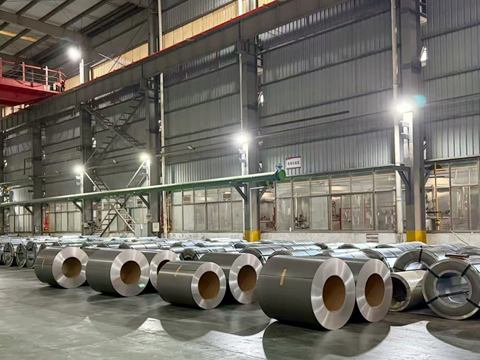
Silicon steel comes in two primary types: Grain-Oriented (CRGO) and Non-Oriented (CRNGO). CRGO is optimized for magnetic flux in a single direction, ideal for transformer cores. CRNGO exhibits nearly uniform magnetic properties in all directions, perfect for rotating machines such as motors and generators. Choosing the right type depends on application, flux density, and operating frequency.
Type | Orientation | Best Use | Key Feature |
CRGO | Single-direction | Transformers | High permeability along rolling direction, low core loss |
CRNGO | Multi-direction | Motors, generators | Uniform magnetic response, suitable for rotating fields |
Sheraxin offers both CRGO and CRNGO in various thicknesses, from 0.18 mm to 0.35 mm, meeting industrial precision requirements. They maintain tight tolerances, supporting optimal core stacking and high-efficiency designs.
Magnetic and Electrical Properties of Silicon Steel
This steel exhibits high magnetic permeability, allowing it to channel magnetic flux effectively. It also has low core loss, reducing wasted energy in transformers. Thermal stability is another strong point; it maintains performance even under fluctuating temperatures.
Other notable characteristics:
● Reduced eddy currents improve energy efficiency.
● High saturation flux density ensures strong magnetic performance.
● Coatings and lamination minimize internal losses, extend service life.
They also provide superior mechanical strength for lamination stacking. Sheraxin’s CRGO silicon steel is tested to meet global standards like ISO 9001 and ISO 14001, offering both quality and reliability for large-scale power systems. Engineers appreciate the combination of efficiency, durability, and flexibility when designing high-performance transformers or generators.
Rubber as an Electrical Insulator
Why Rubber is an Effective Insulator
Rubber naturally resists the flow of electricity because its molecular structure lacks free electrons. This makes it ideal for blocking current in high-voltage systems. It also prevents heat transfer, offering both thermal and electrical insulation.
Ordinary rubber, whether natural or synthetic, maintains its insulating properties under moisture and mechanical stress. It’s used to protect wires, components, and even personnel, ensuring safety in daily electrical operations.
Key points:
● High dielectric strength stops unwanted current flow.
● Resistant to temperature fluctuations, UV, and moisture.
● Provides mechanical protection for cables and electronic parts.
Types of Rubber Used for Electrical Insulation
There are natural and synthetic rubbers, each offering unique advantages. Natural rubber is strong, elastic, and abrasion-resistant but reacts with fuels and solvents. Synthetic rubbers, such as silicone rubber, outperform natural variants in heat stability, chemical resistance, and aging durability. Silicone rubber also maintains flexibility in extreme temperatures, making it widely used in high-voltage or industrial applications.
Type | Key Property | Typical Use |
Natural Rubber | Elastic, abrasion-resistant | General wire insulation, gaskets |
Silicone Rubber | Heat-resistant, chemical-stable | High-temperature cables, seals, potting |
Butyl Rubber | Gas impermeable | Protective sheaths, specialized insulation |
They can also be formulated to meet different performance needs, such as flame retardancy or high mechanical endurance, making them versatile for industrial power systems.
Applications of Rubber Insulators in Power Systems
Rubber serves multiple critical roles across power systems. It insulates wires and cables, preventing short circuits and electrical hazards. It also functions in gaskets, seals, and protective coatings, safeguarding equipment from moisture, dust, and chemicals.
In personal protective equipment, rubber provides electrical isolation, reducing risk of shocks during handling. Engineers often select custom rubber profiles to fit complex components while maintaining reliable insulation.
Applications include:
● Cable jackets and wire insulation.
● Sealing rings and gaskets in transformers and switches.
● Electrical safety mats for workstations and industrial areas.
● Protective coatings on sensitive electronics and connectors.
Advantages of Rubber Over Other Insulating Materials
Rubber outperforms many alternatives due to its elasticity, durability, and resistance to harsh conditions. Unlike rigid plastics, it bends and returns to shape without cracking. Silicone rubber, in particular, tolerates extreme heat, UV, moisture, and chemical exposure. These properties ensure long-lasting insulation and minimize maintenance.
Additionally, it can be molded or extruded into complex shapes, making it highly adaptable for modern power systems.
Advantages at a glance:
● Flexible, resists breaking under stress.
● High thermal and chemical stability.
● Durable against abrasion, weathering, and aging.
● Supports complex industrial designs through molding and extrusion.
Comparing Conductive and Insulating Materials
Conductivity vs Insulation: How Materials Behave
When we look at silicon steel and rubber, the difference is clear. Silicon steel conducts magnetic flux, allowing energy to flow efficiently in transformers and motors. Rubber, on the other hand, blocks current, preventing unwanted electrical flow. Engineers rely on this contrast when designing power systems.
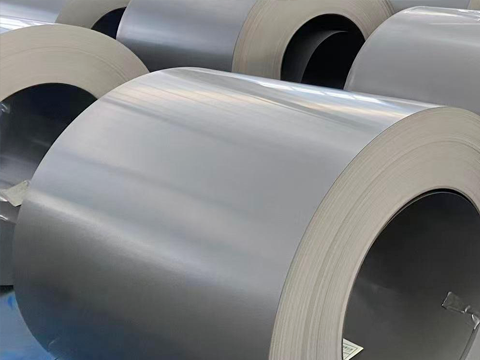
Sheraxin’s CRGO silicon steel ensures minimal energy loss through its high magnetic permeability and low core loss, making it a reliable choice for critical industrial applications. Rubber materials, including silicone variants, are used to safely isolate circuits and protect personnel in the same environments.
Key differences:
● Silicon steel channels magnetic energy efficiently.
● Rubber prevents current, acting as an insulating barrier.
● Proper selection affects transformer efficiency and motor performance.
Performance in Extreme Conditions
Both materials face challenges in harsh environments. Silicon steel maintains magnetic properties across high temperatures but can be affected by moisture or mechanical stress if not properly coated. Rubber withstands heat, UV exposure, and moisture, retaining insulating properties over time.
Silicone rubber excels at extreme temperatures, from –50°C to 230°C, maintaining flexibility while insulating electricity. Engineers must balance these characteristics depending on load, environment, and operational stress.
Material | Extreme Temperature | Moisture Resistance | Mechanical Durability |
Silicon Steel | High, stable flux | Moderate, requires coating | Strong, laminations resist stress |
Rubber | –50°C to 230°C | Excellent | Flexible, abrasion-resistant |
They often combine silicon steel and rubber in systems to maximize energy efficiency and safety, using each material’s strengths effectively.
Safety and Efficiency Implications
Insulating materials prevent electrical shocks and short circuits, critical for workplace safety and equipment longevity. Rubber layers around conductors reduce accidental current flow, while conductive silicon steel minimizes energy loss in transformers. The right material ensures operational efficiency, reduces overheating, and prevents downtime.
Practical benefits:
● Rubber insulation protects operators and sensitive equipment.
● Silicon steel ensures high-efficiency energy transfer.
● Together, they support reliable, long-lasting power systems.
Material Selection Criteria for Engineers
Selecting materials requires careful evaluation. Engineers must consider load capacity, voltage levels, environmental conditions, and energy efficiency. Silicon steel is chosen for high-performance transformers, whereas rubber is selected for insulating enclosures, cables, and safety components. Factors like chemical exposure, mechanical stress, and temperature range also dictate material choice.
Sheraxin’s tailored CRGO grades and rubber insulators in industry-standard specifications provide flexibility for designers seeking custom solutions in modern power systems.
Selection checklist:
● Electrical load and voltage requirements.
● Environmental exposure and temperature tolerance.
● Mechanical stress and chemical resistance.
● Desired efficiency and operational lifespan.
Practical Considerations and Industry Insights
Manufacturing and Processing of Silicon Steel
Silicon steel, particularly Sheraxin’s CRGO products, undergoes precise slitting and cutting to fit transformer cores and motor laminations accurately. Proper slitting reduces internal stress and prevents magnetic loss, which ensures uniform flux distribution across the components.
Additionally, coils are laminated and coated to minimize eddy current losses and provide insulation between layers, while also protecting against corrosion and environmental damage. These processes are critical for maintaining long-term efficiency in power systems.
Sheraxin’s adherence to ISO 9001 and ISO 14001 guarantees that each batch meets strict quality and environmental standards, offering engineers reliable, high-performance materials.
Key points enriching the process:
● Precision Slitting and Cutting:
Reduces stress, ensures uniformity, and improves assembly efficiency.
● Lamination and Coating:
Minimizes energy loss, enhances insulation, and extends component life.
● Quality Standards:
ISO certifications ensure consistent material properties and industrial compliance.
Manufacturing and Shaping Rubber Insulators
Rubber insulators are manufactured through extrusion and molding, producing custom gaskets, seals, and protective layers that fit tightly around wires and components. Silicone and other synthetic rubbers maintain insulating properties under extreme temperatures, moisture, and UV exposure, offering both durability and flexibility.
Proper shaping prevents deformation and preserves the dielectric strength over time, making them ideal for high-voltage applications. Engineers rely on these materials to protect equipment and personnel while ensuring long-term system reliability.
Enhancing details:
● Extrusion and Molding:
Creates precise shapes and continuous insulation profiles.
● Maintaining Insulating Properties:
Ensures heat, moisture, and chemical resistance for long service life.
Process | Material | Benefit |
Extrusion | Silicone rubber | Custom profiles and continuous insulation |
Molding | Synthetic/natural rubber | Precise gaskets, seals, and mechanical protection |
Coating | Rubber compounds | Enhances chemical and abrasion resistance |
Cost and Availability Factors
When selecting materials, engineers must consider economic factors and supply chain reliability. Silicon steel generally has a higher upfront cost but reduces energy loss over time, providing long-term savings. Rubber is more affordable initially, though specialized synthetic grades can increase expenses.
Sheraxin offers custom sizes, grades, and processing options, ensuring that industrial-scale projects receive the required materials without delays. Material availability, production lead times, and cost considerations influence both system design and operational efficiency, making thoughtful selection essential for optimal performance.
Future Trends and Innovations
The industry continues to evolve with high-efficiency silicon steel and advanced rubber insulators. Innovations in CRGO silicon steel focus on lower core loss, improved permeability, and specialized coatings, supporting more efficient transformers and motors in renewable energy and industrial applications.
Meanwhile, synthetic rubbers are being engineered for greater heat tolerance, chemical stability, and flame retardancy, expanding their use in challenging environments. Modern power systems increasingly combine Sheraxin’s high-performance silicon steel with advanced insulating rubbers to achieve maximized efficiency, safety, and reliability.
Emerging highlights include:
● Silicon Steel Innovations:
Reduced energy loss, higher flux density, optimized for advanced industrial applications.
● Synthetic Rubber Improvements:
Extended thermal and UV resistance, flame-retardant, and durable for long-term insulation.
Material | Innovation | Application |
CRGO Silicon Steel | Low core loss, high permeability | Transformers, industrial motors |
Silicone Rubber | Heat, UV resistant, flame-retardant | Cables, gaskets, electrical insulation |
Conclusion
This article explored the differences between silicon steel and rubber electrical insulators in power systems. Silicon steel, like Sheraxin’s CRGO products, conducts magnetic flux efficiently and reduces energy loss in transformers and motors. Rubber insulators provide reliable electrical isolation, heat resistance, and flexibility, protecting circuits and personnel. Sheraxin’s tailored silicon steel solutions ensure high performance, durability, and energy efficiency, making them valuable for industrial and utility-scale applications.
FAQ
Q: What is silicon steel used for?
A: Silicon steel is used in transformers, motors, and generators to conduct magnetic flux efficiently.
Q: How does rubber function as an electrical insulator?
A: Rubber blocks electrical current, providing safety and preventing short circuits in wires and components.
Q: Why choose Sheraxin silicon steel?
A: Sheraxin’s CRGO silicon steel offers low core loss, high permeability, and reliable performance for industrial power systems.
Q: Can silicon steel and rubber be used together?
A: Yes, they complement each other, with silicon steel conducting flux and rubber providing insulation for safe operation.
Q: What factors affect material selection?
A: Engineers consider load, voltage, environment, temperature, and durability when selecting silicon steel or rubber insulators.


