Introduction
Ever wondered how motors run efficiently? Silicon steel guides magnetic flux while insulating plastics prevent energy loss. In this article, you’ll learn how these materials work together to boost device performance.
Understanding Silicon Steel in Electrical Systems
What is Silicon Steel?
Silicon steel, often called electrical steel, is a specialized alloy made mainly of iron and silicon. It has unique properties that make it essential in electrical equipment. Its high magnetic permeability allows it to channel magnetic fields efficiently, so motors and transformers use less energy. The low coercivity means it requires less energy to magnetize and demagnetize, which directly reduces heat generation. Its high resistivity limits unwanted currents inside the material, lowering energy loss.
Key properties at a glance:
● High magnetic permeability
better magnetic flux conduction, less energy waste.
● Low coercivity
reduced energy consumption per magnetization cycle.
● High resistivity
minimizes eddy current loss, keeps cores cooler.
They also respond quickly to changing magnetic fields, making them suitable for high-frequency applications. It’s why Sheraxin’s CRGO and CRNGO silicon steel are trusted in transformer cores and motor laminations.
Types of Silicon Steel
Silicon steel comes in two main types, each tailored for specific magnetic applications. Understanding them helps engineers choose the right material for efficiency and durability.
Type | Abbreviation | Main Applications | Characteristics |
Grain-Oriented | GO / CRGO | Transformer cores, large generators | Optimized for magnetic flux in one direction, very low core loss |
Non-Grain-Oriented | NGO / CRNGO | Motors, generators, rotating machinery | Multi-directional flux, consistent performance across all orientations |
Grain-oriented silicon steel (GO/CRGO) aligns its internal grains along the rolling direction, allowing magnetic flux to travel with minimal resistance, making it perfect for transformers where magnetic fields are mostly unidirectional. Non-grain-oriented (NGO/CRNGO) is versatile; flux changes direction continuously, ideal for motors. They differ in core loss, permeability, and efficiency.
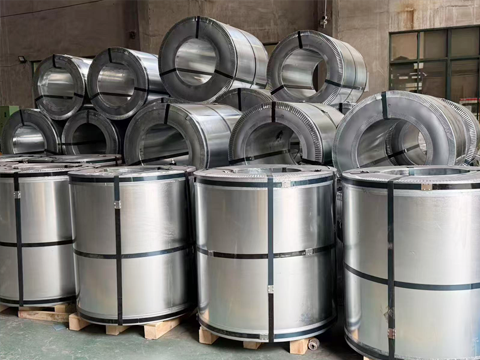
Role of Silicon Steel in Conducting Magnetic Flux
Silicon steel guides magnetic fields through cores, keeping energy losses low. Laminations made from thin sheets break up paths for eddy currents, further reducing heating. Coatings on these sheets act as tiny insulators, keeping each lamination separate.
● Eddy current reduction:
Thin, insulated layers limit circulating currents inside the core.
● Hysteresis loss reduction:
Silicon alloying lowers the energy lost per magnetization cycle.
● Flux control:
Grain orientation directs magnetic fields precisely.
Performance Factor | Effect of Silicon Steel | Benefits |
Eddy currents | Limited by lamination and resistivity | Less heat, lower energy waste |
Hysteresis | Reduced by silicon content | Efficient magnetization cycles |
Flux conduction | Aligned grains in CRGO | Smooth magnetic flow, higher transformer efficiency |
In transformers, this means cooler operation, lower energy costs, and longer equipment life. In motors, it helps maintain torque while reducing vibrations and unwanted heat. Sheraxin’s silicon steel ensures high efficiency, even in demanding industrial settings, thanks to precise composition and lamination techniques.
The Importance of Insulating Plastics
What Makes a Good Electrical Insulator?
Insulating plastics play a critical role in ensuring electrical safety. They must have high dielectric strength, meaning they can withstand high voltages without breaking down. They also need low electrical conductivity to prevent unwanted currents. In practice, these plastics are designed to resist heat, moisture, and mechanical stress, making them reliable over long-term operation. Using high-quality insulation prevents energy loss and protects sensitive components in motors, transformers, and generators.
● High Dielectric Strength:
Materials with high dielectric strength can resist electrical breakdown even under extreme voltages. This prevents insulation failure and protects both the equipment and users from potential hazards. Proper dielectric strength ensures that devices operate reliably over years without interruption.
● Low Conductivity:
Insulating plastics are engineered to limit the flow of electric current through unwanted paths. By restricting these currents, energy losses decrease, transformers run cooler, and motors maintain efficiency. This property also reduces the risk of short circuits within compact or high-voltage devices.
● Thermal and Mechanical Resistance:
Effective insulating plastics can tolerate heat and mechanical stress without degrading. This ensures that windings, cores, and other critical components remain intact during prolonged operation. It also helps maintain consistent performance in environments with varying temperatures or vibrations.
● Compatibility with Conductive Materials:
Insulating plastics must work seamlessly alongside conductive materials like silicon steel. Proper pairing prevents eddy currents and leakage, enhancing overall system efficiency. This synergy is crucial for the longevity of motors, transformers, and generators.
Types of Plastics Used for Electrical Insulation
Several plastics are commonly used in electrical applications, each selected based on its electrical, thermal, and mechanical properties. PVC is widely used for wire coatings due to its flexibility and moderate temperature resistance. Polyethylene offers low dielectric losses, making it ideal for high-frequency applications. Specialized dielectric films provide exceptional insulation in high-voltage or compact devices. These materials often serve in multiple roles: winding insulation, wire coating, or separating conductive layers to avoid short circuits.
Insulating Plastic | Primary Use | Strengths | Typical Applications |
PVC | Wire coating | Flexible, moderate temp | Household wiring, cables |
Polyethylene | High-frequency insulation | Low dielectric loss | Transformers, motor windings |
Dielectric films | High-voltage insulation | Thin, strong, heat-resistant | Compact electronics, advanced transformers |
● PVC for Flexibility:
PVC is commonly used to coat wires due to its excellent flexibility. It maintains insulation while allowing the wiring to bend and twist during installation. Additionally, its moderate temperature tolerance makes it suitable for household and industrial wiring applications.
● Polyethylene for Low Losses:
Polyethylene offers minimal dielectric loss, making it ideal for high-frequency transformers and motor windings. Its stable performance ensures that energy is transmitted efficiently. This property is particularly important in compact or high-speed electrical systems.
● Specialized Dielectric Films:
Advanced dielectric films provide thin yet robust insulation for high-voltage or space-constrained applications. They can handle extreme thermal conditions while preventing breakdown. These films are essential in precision electronics and high-performance transformers.
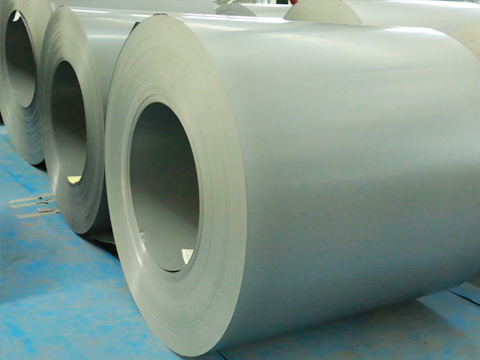
How Insulation Enhances Safety and Efficiency
Insulating plastics do more than just prevent electrical shocks. They complement conductive materials, such as silicon steel, by restricting unwanted current paths, which reduces energy loss.
In transformers, thin insulation between laminations prevents eddy currents from forming across steel sheets. In motors, insulation around windings protects coils from shorting while reducing heat buildup. Good insulation also supports mechanical stability, keeping components in place during vibration or thermal expansion.
Short Circuit Prevention:
Proper insulation prevents electrical paths from crossing where they shouldn’t. This reduces the risk of equipment failure and ensures that current flows through designated paths only. It’s a crucial safety feature for all electrical devices.
● Reducing Leakage Currents:
Insulating plastics minimize stray currents that could lead to wasted energy. By keeping electricity confined to intended paths, systems like transformers and motors operate efficiently and generate less heat. This also protects the insulation from premature degradation.
● Thermal Protection for Silicon Steel Cores:
Insulation helps silicon steel cores remain cool by preventing additional current loops and localized heating. This extends the core’s lifespan and maintains magnetic performance over time. Cooler cores also reduce the demand on auxiliary cooling systems.
● Mechanical Durability:
Insulating materials provide structural support, keeping windings and laminations stable under vibration and expansion. This reduces the risk of mechanical fatigue and improves reliability during continuous operation. Proper insulation ensures devices remain safe and efficient even under stressful conditions.
Interaction Between Silicon Steel and Insulating Materials
Laminations and Coatings in Transformer Cores
Transformers rely on silicon steel laminations to guide magnetic flux efficiently. Each sheet has a thin insulating coating to prevent currents from circulating between laminations, reducing eddy currents and heat. Sheraxin’s CRGO steel ensures precise lamination and coating for optimal performance.
● Preventing Inter-Sheet Currents
Insulation blocks unwanted currents. This keeps transformers cooler and avoids energy loss.
● Heat Reduction
Thin, coated sheets reduce heat buildup. Core efficiency and insulation life improve.
● Optimized Performance
Grain-oriented laminations align magnetic flux. Losses drop and reliability increases.
Heat Management in Motors and Transformers
Silicon steel and insulating materials work together to control heat. Laminations limit magnetic losses, and plastics redirect heat away from windings. Devices run cooler, last longer, and require less maintenance.
● Thermal Stress Reduction:
Insulation absorbs heat. It prevents winding damage.
● Core Heat Minimization:
Laminated silicon steel reduces hotspots. Cooling needs decrease.
● Lifespan Improvement:
Heat control lowers wear. Equipment operates more reliably.
Component | Role | Benefit |
Silicon Steel Laminations | Limit eddy currents | Cooler cores |
Insulating Coatings | Block inter-sheet currents | Reduce heat |
Plastic Insulation | Protect windings | Extend lifespan |
Noise and Vibration Control
Silicon steel limits magnetostriction, reducing noise. Laminations and coatings damp vibrations, keeping motors and transformers quiet and stable.
● Magnetostriction Reduction:
Steel limits expansion/contraction. Noise decreases.
● Vibration Damping:
Insulated laminations absorb shocks. Core alignment improves.
● Operational Benefits:
Less vibration protects windings. Devices last longer.
Selecting Materials for Electrical Design
Choosing the Right Silicon Steel
Selecting the correct silicon steel is crucial for efficient electrical design. Engineers consider thickness, grade, grain orientation, and coating to match the steel to the device. For transformer cores, grain-oriented CRGO steel is preferred for unidirectional magnetic flux, while non-grain-oriented CRNGO steel works best in motors with rotating fields.
Sheraxin’s precise lamination and coating process ensures consistent performance, low core loss, and durability in demanding applications.
● Thickness Matters
Thinner laminations reduce eddy currents. This keeps transformers and motors cooler and improves efficiency.
● Grade Selection
High-permeability grades support smoother magnetic flux. Choosing the right grade minimizes energy loss and heat generation.
● Grain Orientation
Aligning grains with flux flow optimizes core performance. CRGO steels excel in transformer applications, while CRNGO suits motors.
● Surface Coating
Coatings act as micro-insulators between sheets. This further reduces circulating currents and enhances reliability.
Choosing the Right Insulating Plastic
Insulating plastics must withstand operational stress. Designers look at voltage rating, temperature resistance, and mechanical properties. Materials like PVC, polyethylene, and dielectric films are chosen based on application and environmental factors. The goal is to maintain insulation integrity and support silicon steel cores efficiently.
● Voltage Rating
Plastics must handle maximum operating voltage without breakdown. This prevents short circuits and energy loss.
● Temperature Resistance
High thermal tolerance protects windings and prevents insulation degradation during peak operation.
● Mechanical Strength
Materials resist vibration and thermal expansion. They maintain consistent insulation performance.
● Material Trade-offs
Designers balance cost, durability, and performance to select the optimal plastic.
Plastic Type | Voltage Rating | Temperature Limit | Common Use |
PVC | Medium | 70–105°C | Wire coating, low-voltage devices |
Polyethylene | High | 80–120°C | High-frequency transformers, motors |
Dielectric Film | Very High | 150–200°C | Compact electronics, precision transformers |
Optimizing the Combination for Efficiency
Pairing silicon steel and insulating plastics correctly reduces energy loss and extends equipment life. Laminations and coatings on silicon steel, combined with plastic insulation, control eddy currents, heat, and vibration. Efficient design ensures motors and transformers operate reliably under load, while minimizing energy waste.
● Matching Materials
Proper steel grade and insulation type create a balanced system. It reduces core losses and prevents overheating.
● Layering Techniques
● Laminated steel sheets combined with insulating layers optimize flux control. This improves efficiency and extends component lifespan.
● Case Examples
Industrial transformers using Sheraxin CRGO steel and high-quality dielectric films achieve lower core losses and reduced operating temperatures.
● Energy Efficiency Gains
Optimized combinations can save significant electricity over the lifetime of equipment.
Conclusion
This article explains how silicon steel and insulating plastics work together to improve electrical devices. Sheraxin’s high-quality silicon steel reduces energy loss and heat in transformers and motors. Combined with durable insulating plastics, it ensures long-lasting, efficient, and safe performance while enhancing reliability and device lifespan.
FAQ
Q: What is silicon steel used for in electrical systems?
A: Silicon steel guides magnetic flux in transformers and motors, reducing energy loss and improving efficiency.
Q: How do insulating plastics work with silicon steel?
A: They prevent short circuits and limit eddy currents, complementing silicon steel in core insulation.
Q: Why choose Sheraxin silicon steel?
A: Sheraxin provides precision laminations that lower heat, reduce losses, and enhance reliability in electrical devices.
Q: Which plastics are best for electrical insulation?
A: PVC, polyethylene, and dielectric films offer high voltage resistance and protect silicon steel cores effectively.
Q: How does material choice affect transformer efficiency?
A: Using silicon steel with proper insulation minimizes energy loss, heat generation, and improves overall device lifespan.


