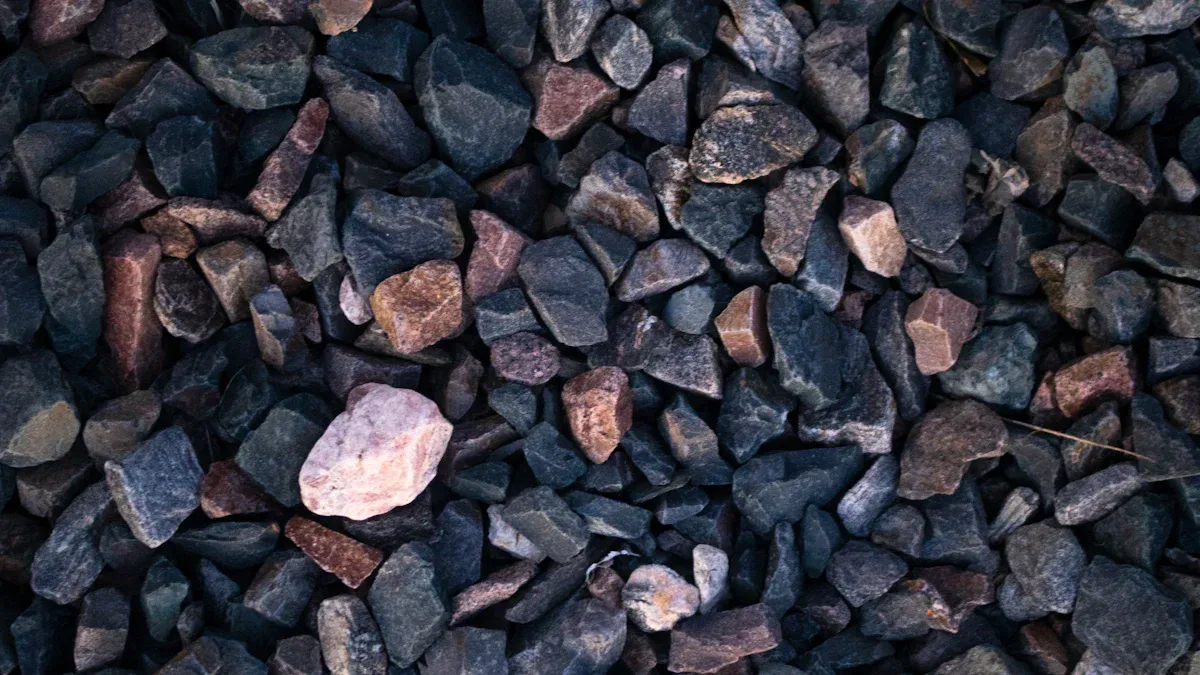
You need very good raw materials to make CRGO steel. This steel is used in transformers and other electrical devices. The main raw materials are silicon, carbon, nitrogen, and oxygen. Silicon is about 3% of the mix. Carbon, nitrogen, and oxygen are only in tiny amounts. How pure each raw material is changes the magnetic permeability. It also affects core loss and surface quality of CRGO. If you pick the best raw materials, CRGO steel works better and is more efficient.
Raw Material | Percentage Needed |
Silicon | 3% |
Carbon | Very little |
Nitrogen | Very little |
Oxygen | Very little |
Key Takeaways
Good raw materials are needed to make CRGO steel. Use pure iron ore, coal, and limestone for better magnetic properties.
Getting materials from trusted suppliers like Baosteel and Nippon Steel keeps the quality steady. This makes CRGO steel work better.
The way CRGO steel is made is very important. Cold rolling and annealing help line up the grains in the steel. This makes the steel’s magnetic performance better.
Keeping the steel pure during production is very important. Take out things like sulfur and phosphorus to make the steel stronger and more efficient.
Picking the best materials and steps makes CRGO steel work better in transformers. This helps save energy and makes transformers last longer.
Main Raw Materials for CRGO Steel
Iron Ore
High-grade iron ore is needed for crgo steel. The place and quality of iron ore decide the Fe amount. Good iron ore has over 67% Fe. This helps make better crgo steel. Too many impurities in iron ore are bad. You want iron ore with little sulfur, phosphorus, or silica. These things can lower the steel’s quality. Using the best iron ore gives crgo steel better magnetic properties and less core loss.
Where iron ore comes from changes the Fe amount.
Impurities in iron ore can hurt making steel.
Good iron ore makes better steel.
Coal
Coal is also important for crgo steel. Coal is used to make coke. Coke melts iron ore in the blast furnace. Coal should have low sulfur and ash. Too much sulfur makes steel weak. Clean coal keeps steel pure. The right coal gives strong and clean crgo steel.
Limestone
Limestone is a fluxing agent in steelmaking. It removes things like silica, alumina, and sulfur from melted metal. It does this by making slag. Good limestone has over 95% calcium carbonate. Silica should be less than 2%. You also want little magnesium or alumina. Pure limestone helps make clean crgo steel.
Impurity Type | Effect on Lime Quality | Application Impact |
Silica | Lowers reactivity | Steel production |
Alumina | Lowers reactivity | Steel production |
Iron | Lowers reactivity | Steel production |
Magnesium | Lowers reactivity | Steel production |
Phosphorus | Strict tolerances | Steel production |
Sulfur | Strict tolerances | Steel production |
Sourcing from Reputable Suppliers
You should buy raw materials from trusted suppliers. Baosteel, WISCO, and Nippon Steel are top companies. They have strong quality checks. These suppliers give you raw materials that meet high standards. Wuxi Sheraxin Electrical Steel Co., Ltd. (Sheraxin) works with these big steel mills. Sheraxin uses strict checks and has a global supply chain. If you pick bis-certified prime crgo from these suppliers, you get steady quality and better crgo steel products.
Manufacturing Process of CRGO Steel Sheets
Making crgo steel sheets takes many careful steps. Each step changes how good the crgo steel will be. Iron ore, coal, and limestone all work together to make this special steel. They help give the steel strong magnetic properties.
Initial Processing of Raw Materials
You need the best iron ore, coal, and limestone. These materials go through many steps before they turn into crgo steel.
Iron ore mixes with lime and coke fines. This makes sinter for the blast furnace.
Coal is heated in a coke oven. This turns it into coke to melt iron ore.
Limestone helps clean the melted metal. It forms slag to remove bad stuff.
Note: The purity of each material is very important. If you use pure iron ore, coal, and limestone, you get cleaner steel. Cleaner steel has better magnetic properties for crgo.
Modern factories use special machines to keep things pure. Online analyzers check the chemical makeup of materials. Belt scales and feeders add the right amount of each ingredient. Moisture analyzers watch water levels to keep things steady.
Cold Rolling and Grain Orientation
After melting and cleaning, you get a silicon steel alloy. This is the base for crgo steel. Next, the steel goes through cold rolling. Large rollers press the steel at room temperature. This makes the steel thinner and changes the grain shape.
Cold rolling is very important for crgo steel. It lines up the grains in one direction. This helps the steel carry magnetic flux better. You want the grains to point the same way as the rolling. This lowers energy loss in transformers.
The process keeps going. You use annealing to heat and cool the steel. This helps the grains grow in the right way. Annealing makes the magnetic properties even better. Sometimes, you repeat cold rolling and annealing for the best results.
Stage | Contribution to Grain Orientation and Magnetic Properties |
Cold Rolling | Makes steel thin, lines up grains, and improves the surface. |
Annealing Process | Heats and cools steel to grow grains in the rolling direction, making magnetic performance better. |
Final Cold Rolling | Makes sheets even thinner and smoother, improving magnetic properties and lowering energy loss. |
Tip: The thickness of the steel sheet is important. Thinner sheets have better grain direction and lose less energy.
Purity Control in the Manufacturing Process
You must keep things pure at every step of making crgo steel sheets. Advanced sensors like spectrometers and thermocouples watch the process all the time. These tools help you fix problems fast.
You also use process modeling and control methods. These help you find problems early and keep the steel pure. Removing bad elements is key. If you leave in too much sulfur or phosphorus, the crgo steel will not work well in transformers.
Step | Description |
Material Preparation | Clean and prepare steel sheets, taking out things that hurt magnetic properties. |
Melting and Refining | Melt and clean raw materials to remove bad stuff and make a silicon steel alloy. |
Annealing Process | Use heating and cooling to line up grains and make magnetic performance better. |
Remember: High purity means better electrical and magnetic performance. If you control bad elements, you get crgo steel that lasts longer and works better in electrical devices.
Making crgo steel sheets is a hard process, but every step is important. From picking raw materials to the last annealing, you shape the quality of the steel. If you focus on purity and grain direction, you get crgo steel that is great for transformers and other electrical uses.
Impact of Raw Material Quality on CRGO Steel
Electrical and Magnetic Properties
Using high-quality raw materials helps crgo steel work its best. The right mix and purity are very important. Adding silicon makes the steel resist electricity more. It also helps lower core losses. Keeping out bad elements makes the magnetic performance better. Good processing steps, like cold rolling and annealing, are needed too. These steps help the grains line up. This makes the magnetic properties even stronger.
The mix and purity of crgo steel matter for its electrical and magnetic properties.
Adding silicon helps the steel resist electricity and lose less energy.
Bad elements make the magnetic performance worse.
Steps like annealing and cold rolling help the grains line up and improve magnetic properties.
You can see why crgo steel is special when you look at its main properties:
Property | Description |
High Magnetic Permeability | Crgo laminations move magnetic flux well, so transformers work better. |
Reduced Magnetostriction | Crgo laminations make less noise and have less stress, which is good for quiet places. |
High Resistivity | Crgo laminations lose less energy as heat, so they stay cooler. |
Low Losses | Crgo laminations make less heat and last longer, measured in W/kg. |
Measurement Technique | The Epstein frame test checks the magnetic properties of crgo steel. |
When you compare crgo steel to other core materials, you see why it is the best for laminations:
Core Material | Core Loss @ 1.5T (W/kg) | Magnetic Permeability |
CRGO Steel | 0.9–1.3 | High (10,000–20,000) |
CRNO (non-oriented) | 4.0–6.0 | Moderate |
Amorphous Metal | 0.2–0.4 | Moderate |
Ferrite | ~50 at HF | High (for HF only) |
Durability and Performance in CRGO Laminations
You want your crgo laminations to last and work well. Picking the best raw materials is very important. If you use only top materials and follow good steps, the magnetic properties stay strong. This helps crgo laminations work well for a long time.
Checking the materials often and following rules makes sure you use only the best. This is very important for crgo laminations in transformers. When you use high-quality crgo steel, the laminations do not wear out fast. They keep their shape and magnetic properties. This means your transformers work better and last longer.
Tip: Always pick crgo laminations made from pure raw materials. This gives you better results and makes your electrical devices last longer.
CRGO Steel in Transformer Laminations
Why CRGO Steel is Preferred
Crgo steel is often used in transformer laminations. It helps transformers work better and lose less energy. The grains in crgo steel all point the same way. This lets magnetic flux move easily through the laminations. Using crgo steel gives you many benefits:
Transformers can have strong magnetic properties.
The special grain direction lowers energy loss in laminations.
Crgo steel makes transformers work well and use less power.
Transformers run more quietly with less shaking.
You want transformers to stay cool and quiet. Crgo steel helps with this. That is why it is the best choice for high-efficiency transformer cores.
Role of Material Quality in Transformer Efficiency
Using good crgo steel in laminations makes transformers work better. The grains in crgo steel line up in one direction. This helps magnetic flux move easily and lowers energy loss. Transformers lose less energy as heat when you use crgo steel. This makes them work well in power grids and renewable energy plants.
You can look at different core types to see how crgo steel is special:
Core Type | Characteristics | Efficiency Benefit |
CRGO (Cold-Rolled Grain-Oriented Steel) | Low hysteresis, aligned grains | Standard for high-voltage transformers |
Amorphous Metal (Nano-crystalline) | Very low eddy and hysteresis losses | Up to 70% lower no-load losses |
Thin Laminations (<0.23 mm) | Reduces eddy currents | Lowers total core loss |
Crgo steel lowers core losses in the rolling direction. This helps transformers save energy and work better. If you use pure crgo steel, transformers last longer. They also work well year after year.
Tip: Always make sure crgo steel is pure and high quality before using it. Good laminations help transformers stay cool, quiet, and efficient.
You help crgo steel work well by picking pure materials. If you use clean materials and follow each step, transformers work better and last longer. Every part of the process, from choosing materials to adding the coating, is important for quality.
Process Step | Importance |
Raw Material Selection | Good steel lowers energy loss and makes transformers work better. |
Cold Rolling | Makes steel thin and lines up the grains. |
Annealing | Takes away stress and lines up grains for better results. |
Silicon Steel Stamping | Cuts steel so it fits right in transformer cores. |
Insulating Coating | Keeps energy from leaking between the steel layers. |
Remember: If you check for purity and pick good sources, transformers get stronger and work better.
FAQ
What does CRGO stand for?
CRGO means Cold-Rolled Grain-Oriented steel. This steel is used in transformer cores. The grains in CRGO steel all point the same way. This helps magnetic flux move through the steel more easily.
Why is silicon added to CRGO steel?
Silicon is put in CRGO steel to make it resist electricity better. This lowers energy loss in transformers. Silicon also makes the steel’s magnetic properties stronger. This helps the steel work well in electrical devices.
How do impurities affect CRGO steel quality?
Impurities like sulfur and phosphorus make the steel’s magnetic performance worse. You want to keep these impurities very low. Using pure raw materials gives you better CRGO steel for transformers.
Tip: Always check that your raw materials are pure before making CRGO steel.
Who are the top suppliers of CRGO raw materials?
You can trust Baosteel, WISCO, and Nippon Steel for raw materials. These companies give you high-quality supplies. Wuxi Sheraxin Electrical Steel Co., Ltd. works with these companies. They help you get pure and reliable CRGO steel.