


Why Silicon Steel Is Essential in Modern Electrical and Energy Systems
Modern energy systems face escalating performance demands and strict efficiency regulations. Traditional carbon steel fails in electromagnetic environments because it suffers from:
High core losses、Low magnetic permeability、Significant heat generation、Poor performance under alternating magnetic fields
As a result, transformers, motors, and generators suffer from lower efficiency, higher operating costs, and shorter service life.
Silicon steel exists to solve these problems.
By adding controlled silicon content to iron, the material achieves:
Higher electrical resistivity → reduced eddy current losses
Reduced hysteresis losses → cooler operation
High permeability → stronger magnetic response
Directional magnetic optimization (GO steels)
Outcome:Up to 5–20% efficiency improvement, lower system losses, and compliance with global energy-efficiency standards (IEC, DOE, EU EcoDesign).
Silicon steel is not just a material—it is a foundation for high-performance electrical engineering.
Applications of Silicon Steel

Applications of Silicon Steel in Transformers
Transformers rely heavily on grain-oriented silicon steel (GO/CRGO) because of its exceptionally low core loss in the rolling direction.
Power Transformers
GO steel ensures stable performance under high magnetic flux density, enabling large-scale power transmission with minimal energy loss.
Distribution Transformers
CRGO steel helps reduce no-load loss, contributing to long-term electricity savings for utility systems.
Instrument & Current Transformers
High magnetic permeability ensures accurate signal transformation for measurement equipment.
Recommended Grade:
️ High-grade GO / CRGO silicon steel (e.g., 23QG, M0H, M2H)
Applications of Silicon Steel in Motors
Motors operate with rotational magnetic fields, making non-grain-oriented silicon steel (NGO/CRNGO) the ideal choice.
Industrial Motors
NGO provides balanced magnetic properties and mechanical strength for stamping and lamination.
High-Speed Rotating Machinery
Thin-gauge NGO reduces iron loss at high frequency, enabling smoother, quieter operation.
EV Traction Motors
New energy vehicles demand ultra-high efficiency and low loss under variable frequencies — a perfect match for electrical steel.
Recommended Grade:
️ Low-loss NGO grades such as 35W300, 20W270, or high-grade M19 NGO

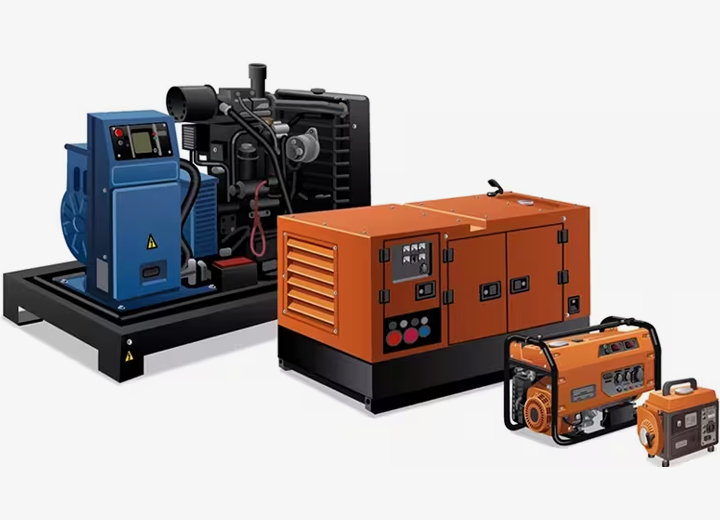
Silicon Steel for Generators & Alternators
Generators require materials that maintain strong magnetic response under continuous rotational stress.
Applications include:
Large power generation equipment
Wind turbine generators
Hydro generators
High-grade NGO ensures consistent torque, lower temperature rise, and long operational life.

Energy-Efficient Appliances Using Electrical Steel
Household appliances depend on low-noise, high-efficiency electrical steel laminations, including:Air conditioner compressors、Washing machine motors、Refrigerator compressors
Using low-loss NGO improves quiet operation and extends motor life.
Silicon Steel in Electromagnetic Devices
Silicon steel is also used in:Inductors、Chokes、Magnetic reactors、High-frequency transformers、Power conversion equipment
Thin-gauge NGO offers improved performance at higher frequencies


Types of Silicon Steel
Grain-Oriented Silicon Steel
Designed for magnetization primarily in one direction.
Features:
Exceptionally low core loss
Very high permeability in the rolling direction
Ideal for AC applications requiring directional performance
Typical Uses:
Power transformers
Distribution transformers
High-efficiency electrical cores
Non-Grain-Oriented Silicon Steel
Designed for multi-directional or rotating magnetic fields.
Features:
Uniform magnetic performance in all directions
Balanced core loss and mechanical strength
Suitable for high-speed rotation
Typical Uses:
Motors (industrial, automotive, EV traction)
Generators
Compressors and appliances
How to Choose the Right Silicon Steel Grade
This section helps engineers and procurement teams make confident, informed decisions.
Core Selection Criteria
Target core loss
Magnetization direction (uniaxial vs. rotating)
Required thickness
Operating frequency
Mechanical processing needs
Price vs. performance balance
Decision Framework
If your application requires directional magnetization → GO
If the field rotates or varies → NGO
If efficiency is crucial → choose lower core-loss grades
For high-speed motors → prioritize thin-gauge NGO
Common Selection Mistakes
Choosing GO for rotating machinery
Ignoring thickness impact on loss
Over-specifying high grades (unnecessary cost)
Not matching coating type to insulation requirements
International Standards & Electrical Steel Grade Designations
ASTM / AISI (North America)
Common grades: M19, M27, M36, M43, M47
EN / IEC (Europe)
Non-oriented grades: e.g., EN 10106
Grain-oriented grades: EN 10107
JIS (Japan)
NGO: JIS C2552
GO: JIS C2551
GB (China)
NGO: 50W600, 35W300, 20W270
GO: 23QG, 27QG
Sheraxin’s Silicon Steel Solutions for Industrial Applications
We support global industries including power distribution, automotive, renewable energy, home appliances, and automation.
GO & NGO silicon steel
Custom lamination manufacturing
Precision slitting & cutting
Material selection guidance from engineering experts
Compliance with IEC / ASTM / JIS / GB standards
Request Samples or Get a Quote
Sheraxin’s engineering team is ready to support your project.
Quick Inquiry
Tell us your required grade, thickness, and application.
Upload Specifications
Support for drawings, BOQs, and technical requirements.
Book a Consultation
Speak directly with our materials experts for application-specific guidance.
